
Understanding the Importance of Wall Art Sizes
The size of wall art is a key factor in determining the overall aesthetic and functionality of a space. Large artworks can serve as focal points, drawing the eye and anchoring the room, while smaller pieces can either complement larger elements or stand alone, creating a distinct atmosphere. When considering a wall art size guide, it is essential to take into account not only the dimensions of the artwork itself but also the environment in which it will be displayed.
Scaling is crucial to achieving visual balance and harmony within a room’s design. An artwork that is proportionately sized can enhance the flow of a space, while an incorrectly chosen piece may disrupt the intended harmony. For instance, a small piece hung above a large piece of furniture may appear insignificant, leading to a lack of cohesion in the room’s decor. Conversely, a large artwork in a compact area can overwhelm the available space, leading to a cluttered or chaotic look. When selecting art, it is essential to consult a wall art size guide to ensure proper scaling, considering factors such as the dimensions of walls, furniture, and other decor elements.
The overall atmosphere of a room is also influenced by the wall art’s size. Larger pieces tend to evoke boldness and drama, creating an impact that can invigorate or inspire the space. In contrast, smaller pieces convey subtlety and intimacy, encouraging a sense of calm and tranquility. By strategically selecting appropriate sizes of wall art, one can enhance not just the visual appeal of the room but also its emotional resonance. Achieving the right size opens avenues for creativity and personalized expression, making the space resonate with one’s unique style.
Measuring Your Wall Space
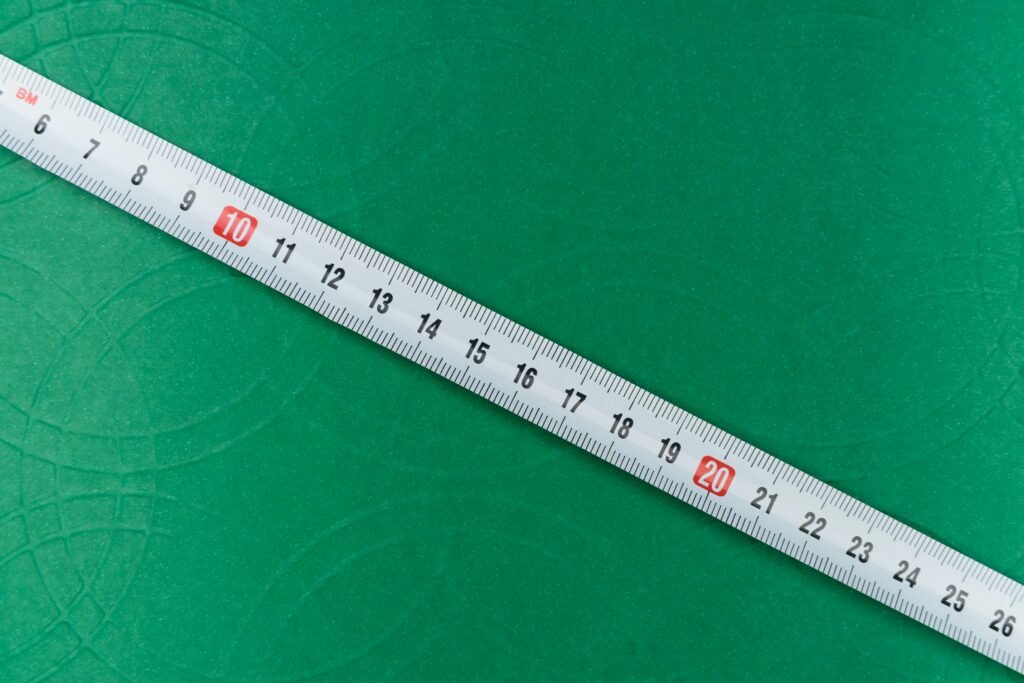
When selecting wall art, accurately measuring your wall space is crucial to achieving a cohesive design. Proper measurements not only help you choose the appropriate size for your artwork but also ensure that it complements the overall aesthetics of the room. To begin, take into account the wall width, as a piece that is too small may get lost in the space, while one that is overly large can overwhelm the room. Use a tape measure to determine the distance from one end of the wall to the other, ensuring that you have the most precise measurement possible.
In addition to wall width, ceiling height is another critical dimension to consider. Tall ceilings can accommodate larger wall art pieces, creating a grand focal point in the room. Conversely, in a room with lower ceilings, you may want to choose smaller pieces or arrange them in a gallery wall format. This helps draw the eye upward and creates an illusion of height without overpowering the existing space.
Don’t forget to measure any architectural features that may impact the placement of your wall art. Windows, doors, and built-ins can affect both the visual balance and the available wall space. If a window is positioned centrally on the wall, consider placing your artwork on either side to frame the view. Likewise, when taking measurements, factor in any furniture that might interfere with your display area. Assess how the art will relate to couches, side tables, or shelves to maintain harmony within the room.
Lastly, to ensure you make the best choice regarding your artwork’s size, refer to a wall art size guide. This resource can provide insights into the best proportions for your particular space, making it easier to visualize how different sizes will fit within your measurements. By following these steps and considering the unique dimensions of your room, you will be well on your way to selecting wall art that enhances the overall ambiance of your space.
Proportional Guidelines for Wall Art
When selecting wall art, understanding the principles of proportion is crucial in creating a cohesive and aesthetically pleasing environment. One of the fundamental guidelines is the 60/30/10 rule commonly used in interior design. This rule dictates that 60% of a room should be dedicated to the primary color or elements such as walls and large furniture, 30% to secondary elements like accents or textiles, and the remaining 10% to artwork and accessories. By adhering to this ratio, one can ensure that wall art complements rather than overwhelms the space.
When applying the 60/30/10 rule to wall art size, it’s essential to first evaluate the available space. For smaller rooms, a single large piece of art can serve as a focal point without cluttering the wall. In contrast, for larger rooms, multiple smaller artworks can create a gallery-like effect that provides visual interest while maintaining proportionality. A good practice is to measure the wall space designated for art and consider that the total width of the artwork should not exceed two-thirds of your available wall area. This measurement helps maintain balance and harmony.
Another guideline for sizing wall art appropriately involves considering the height at which it will be displayed. Art should generally be hung at eye level, which is approximately 57 to 60 inches from the floor. If more than one piece is displayed together, the center of the grouping should be aligned along this eye-level line. By using these proportional guidelines for wall art, individuals can create environments that are not only visually appealing but also allow the artwork to enhance room decor without disrupting the overall aesthetic.
Choosing the Right Size for Different Types of Rooms
Selecting the appropriate wall art size for various rooms plays a crucial role in enhancing the overall aesthetic and functionality of a space. Different rooms serve distinct purposes, and understanding the most suitable art dimensions is essential for achieving a balanced look. In living rooms, where gatherings often occur, larger pieces tend to make a bold statement. A popular recommendation is to choose art that measures around 60% to 75% of the available wall space, especially above sofas or large furniture. This rule helps create a focal point without overwhelming the area.
In contrast, bedrooms typically benefit from more intimate and serene artwork. Opting for smaller pieces or a cohesive gallery wall can make the space feel personal and inviting. It is advisable to select art that fits comfortably above the bed or dressers, with sizes ranging from 24 inches to 36 inches wide, ensuring it complements the surrounding decor without dominating the space.
For dining areas, a mid-sized artwork can enhance the ambiance while maintaining an inviting atmosphere. Artwork that measures between 30 and 50 inches in width is often effective when placed above the dining table. This size encourages conversation and provides a visual anchor without being too ostentatious. In home offices, artwork should inspire productivity while remaining unobtrusive. Consider smaller pieces or clusters of various sizes; a combination can provide visual interest without causing distractions. Art within the range of 20 to 30 inches can be suitable for shelves or desk arrangements.
By acknowledging these recommendations outlined in a wall art size guide, anyone can effectively curate a space that reflects personal style while adhering to aesthetic principles. Each room’s unique characteristics dictate the optimal wall art size, ensuring the pieces selected reinforce the intended mood and functionality.
Creating Focal Points using a Wall Art Size Guide
When considering how to enhance the aesthetic appeal of a room, wall art plays a pivotal role, particularly in establishing focal points. A well-selected piece of art can command attention, serving as a visual anchor that ties together the overall decor of a space. To effectively create these focal points, it is essential to understand how the size of the wall art influences the perception and ambiance of the room.
Oversized art pieces, for example, can transform a blank wall into a stunning centerpiece that draws the eye and instills a sense of drama. These larger works are particularly effective in spacious environments, where they can create an impactful presence without overwhelming the area. Whether it is a large canvas or a striking mural, oversized wall art can serve as a powerful conversation starter, while also establishing a sense of grandeur within the room. In contrast, smaller wall art can be utilized to create subtle highlights that complement existing design elements. These smaller pieces can effectively fill gaps and provide visual interest without dominating the entire space, thereby allowing for a more balanced aesthetic.
It is also worth considering how to group smaller pieces to form a cohesive display. A well-curated collection of smaller wall art can create an engaging collage that offers depth and intrigue. Such arrangements not only enhance the visual narrative of the room but also allow for personal expression, showcasing various styles and themes that resonate with the inhabitants. The wall art size guide can assist in determining the appropriate dimensions, helping to curate a display that is both harmonious and visually appealing.
Ultimately, the size of wall art—whether oversized for a dramatic statement or smaller pieces for understated elegance—determines its effectiveness as a focal point. With careful consideration of the space and thoughtful integration of various sizes, one can create compelling visual interest that enriches the overall atmosphere of any room.
Considerations for Different Art Styles
When selecting wall art, understanding the influence of various art styles on size is essential for achieving a harmonious decor. Different styles, such as abstract, photography, and traditional, each have unique characteristics that can dictate the appropriate dimensions of artwork. For instance, abstract art often benefits from larger sizes, as the expansive nature of the art allows for more emotional expression and draws viewers in. Conversely, smaller abstract pieces can create a more intimate atmosphere, making them suitable for smaller rooms or areas where one desires subtlety.
Photography is another style that presents diverse sizing options. Large-scale photographs can serve as striking focal points in a room, creating impactful visual narratives that engage observers. Alternatively, a collection of smaller photographs can be arranged in a gallery wall format, allowing for versatility and personalization while enhancing the overall aesthetic of the space. The choice of size can significantly affect how the photographic subject is perceived, encouraging a more profound emotional connection to the artwork.
Traditional art styles often embrace specific frameworks and settings that can guide size selection. For instance, classical portraits or landscapes tend to benefit from larger dimensions to amplify their intricate details and rich textures, making them suitable for spacious rooms with high ceilings. That said, smaller, traditional pieces can still be effective in creating a cozy environment, particularly when grouped together or displayed alongside other decor elements.
Ultimately, the scale of artwork plays a pivotal role in influencing perceptions and feelings within a space. By considering the relationship between wall art size and art style, one can make informed decisions that ensure artwork complements existing decor while enhancing the overall ambiance of the room. A thoughtful wall art size guide can provide crucial insights as one navigates this creative endeavor.
Hanging Techniques and Height Considerations
When it comes to selecting wall art for your space, understanding the proper hanging techniques and optimal height is essential. To create a harmonious look within a room, it is important to consider the height at which artwork is placed. A commonly accepted guideline is to hang wall art at eye level, which is generally around 57 to 60 inches from the floor to the center of the piece. This height helps to ensure that viewers can comfortably appreciate the artwork without craning their necks or straining to see details.
Additionally, the arrangement of multiple pieces can significantly affect how the artwork is perceived. For a gallery wall, maintaining a consistent space between pieces—typically 2 to 5 inches—creates a cohesive look. When creating such arrangements, use the wall art size guide to help you conceptualize the overall layout before making any placements. It’s essential to visualize how each piece interacts with others to achieve a balanced appearance.
Moreover, the height at which art is hung can influence the perceived proportions of your room. For example, placing large pieces lower can make a room feel more grounded, while higher placements can give the illusion of greater ceiling height. In this sense, the interaction between wall art and the room’s dimensions plays a vital role in establishing the desired atmosphere, whether to create intimacy or spaciousness.
Furthermore, consider the furniture within the room. Artwork should relate to the furniture it is nearest to, especially in living rooms or dining areas. Ideally, pieces should be hung above furniture such as sofas or consoles, typically about 6 to 12 inches above the back of these pieces. Ultimately, using these considerations ensures your wall art not only complements the room but also enhances its overall visual appeal.
Mixing and Matching Art Sizes
Creating an engaging gallery wall involves more than simply selecting a few pieces of artwork; it requires a thoughtful approach to mixing and matching varying sizes. The first step is determining the overall dimensions of the wall you wish to decorate. A wall art size guide can be beneficial here. It provides a framework that can help you visualize how different sizes interact within your chosen space. Consider larger pieces as focal points and smaller ones as supportive elements that enhance the visual narrative.
When integrating various sizes, it is essential to maintain balance. Start by arranging your largest artwork in a central position. This approach acts as an anchor for the other pieces. From there, work your way outward, positioning medium-sized art adjacent to the larger piece. Smaller artworks can fill in gaps and spaces between these larger works, providing a dynamic look without overwhelming the senses. For those uncertain about layout, templates can assist in visualizing the arrangement before any nails are hammered into the wall.
Spacing plays a critical role in achieving a cohesive gallery wall, and the ideal distance varies based on the overall size of the pieces. Typically, a consistent spacing of about two to four inches between frames helps unify the collection while still permitting each piece to stand out. However, do not hesitate to experiment with spacing; different configurations can lead to unique results, contributing to the eclectic charm of the installation.
Finally, consider the theme of the wall art collection as well. Art pieces with various sizes can be harmonized through color schemes or thematic elements. By following these strategies in mixing and matching art sizes, you can create a gallery wall that feels vibrant yet cohesive, enhancing the aesthetic appeal of your room. In conclusion, utilizing a wall art size guide can simplify the decision-making process and lead to an engaging display that reflects your personal style.
Final Tips for Choosing Wall Art Size
Choosing the right size for wall art is an essential aspect of interior design that can significantly impact the aesthetics of a room. To ensure that the art enhances the overall space, it is crucial to consider the dimensions of both the art piece and the wall it will occupy. One effective approach is using a wall art size guide to visualize and measure the area before making a purchase. This guide typically includes recommendations on proportion and scale, helping to create a balanced look that complements other elements within the room.
In addition to following established guidelines, it is important to avoid common pitfalls that can lead to poor choices. For instance, many individuals rush into decisions without considering the room’s overall design theme or existing furniture arrangements. Assess the scale of your furniture and the space around the desired wall to determine the appropriate wall art size. Oversized pieces can dominate a small room, whereas petite artwork may get lost on expansive walls. A well-considered balance is key.
Another critical factor is personal style. While guidelines and tips provide a framework, personal preferences should not be overlooked. Select wall art that resonates with your taste, whether it’s large statement pieces or a gallery wall of smaller prints. Incorporate colors and themes that align with the room’s vibe to ensure harmony and cohesion. To make the selection process easier, consider utilizing mock-ups or paper templates to visualize how each piece will look on your wall.
Ultimately, the journey of selecting wall art sizes should combine practical considerations alongside your unique aesthetic preferences, resulting in a beautifully curated home environment.

